Read our
latest articles

Cyclosporiasis cases are up in Québec this summer

Featured
Cyclospora is a parasite that causes watery diarrhea about a week after exposure, often after travel to places like Mexico. Here's how to recognize it, when to get care, and how it's diagnosed, treated and prevented.
Public Health

PSA test: is prostate cancer screening right for you?

Featured
A PSA test is a blood test that measures prostate-specific antigen, used to screen for prostate cancer — but Canadian guidelines don't agree on routine screening, so the decision should be personal. Here's what it measures, when to consider it, and what a high result means.
Screening

Mammograms in Québec: who's eligible, what to expect

Featured
Mammography uses low-dose X-rays to find breast cancer before it can be felt. Here's who's eligible under Québec's PQDCS, how to prepare, and what your result means.
Screening

FIT test for colon cancer: who needs it, how to do it

Featured
The FIT test detects tiny traces of blood you can't see — a simple, at-home way to catch colorectal cancer early. Here's who needs it, how to collect the sample, and what a positive result means.
Screening

HPV testing vs. the Pap test: what's changing in Québec

Featured
HPV testing looks for the virus types that can cause precancerous cervical changes, and it's gradually replacing the Pap test as the main screening tool. Here's who needs it, how often, and what a positive result means.
Screening

Which screening tests do you actually need in Québec?

Featured
Screening looks for disease before symptoms appear, and it isn't the same checklist for everyone. Here's a by-the-numbers guide to what's recommended, for whom, and how often.
Screening

Heat wave coming? Know the warning signs before they become an emergency

Featured
During a heat wave, the body struggles to stay at a normal temperature. Here's who's most at risk, how to stay cool, and the difference between early warning signs and heat stroke.
Environmental Health

Sunscreen: what actually works, and what doesn't

Featured
Used correctly, sunscreen is an effective form of protection against UV radiation, but it should be combined with shade, protective clothing and sensible sun habits. Here's how to choose it, apply it and use it safely.
Prevention

Drowning prevention: a few seconds change everything

Featured
Drowning can happen quickly and silently, and in Québec it remains the leading cause of injury-related death among children aged 1 to 4. Here's how to supervise, secure your pool and respond in an emergency.
Family & Child Health

Barbecues and Picnics: Preventing Food Poisoning

Featured
Outdoor meals are one of summer's pleasures, but warm weather lets bacteria multiply faster. Here's how to keep food safe, from cooler temperature to safe cooking temperatures to knowing when symptoms need medical care.
Food Safety

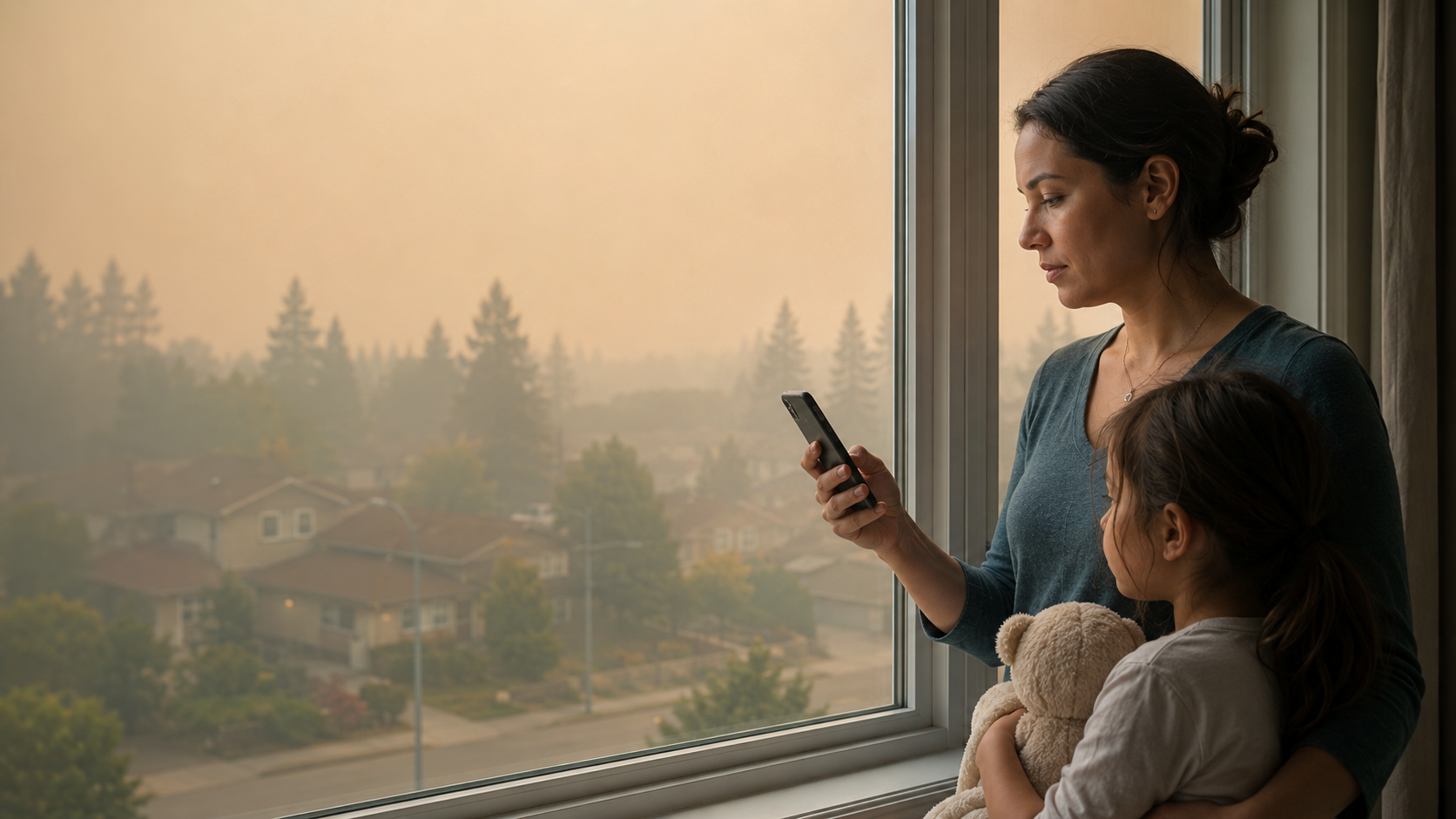
Wildfire smoke: protect your lungs and heart

Featured
Wildfire smoke can travel hundreds or thousands of kilometres, and air quality can deteriorate quickly even with no visible fire nearby. Here's how to check air quality, protect your indoor air, and know when smoke exposure needs medical attention.
Environmental Health

AI in medicine: real promise, real limits

Featured
Artificial intelligence is already used in several areas of healthcare, but it doesn't replace a clinician's expertise or the human relationship with the patient. Here's what it does well, where it fails, and how to use AI tools safely.
Digital Health

Québec's new prevention plan: what it means for you

Featured
Québec's 2026–2031 prevention plan commits $252.5 million to 54 measures aimed at preventable disease and health inequality. Here is what it changes for patients.
Prevention

Cyclosporiasis in Québec: What You Need to Know About the 2026 Rise in Cases

Public Health
Cyclospora is a parasite that causes watery diarrhea about a week after exposure, often after travel to places like Mexico. Here's how to recognize it, when to get care, and how it's diagnosed, treated and prevented.
Cyclosporiasis: Symptoms, Treatment and What Québec's 2026 Rise in Cases Means
Learn More

PSA test: is prostate cancer screening right for you?

Screening
A PSA test is a blood test that measures prostate-specific antigen, used to screen for prostate cancer — but Canadian guidelines don't agree on routine screening, so the decision should be personal. Here's what it measures, when to consider it, and what a high result means.
PSA Test and Prostate Cancer Screening: Is It Right for You?
Learn More

Screening Mammogram in Québec: Who Is Eligible, What to Expect and What Your Result Means

Screening
Mammography uses low-dose X-rays to find breast cancer before it can be felt. Here's who's eligible under Québec's PQDCS, how to prepare, and what your result means.
Screening Mammogram in Québec: Who Is Eligible, What to Expect and What Your Result Means
Learn More

FIT Test for Colorectal Cancer Screening: Who Should Do It, How to Collect It and What Results Mean

Screening
The FIT test detects tiny traces of blood you can't see — a simple, at-home way to catch colorectal cancer early. Here's who needs it, how to collect the sample, and what a positive result means.
FIT Test for Colorectal Cancer Screening: Who Should Do It, How to Collect It and What Results Mean
Learn More

HPV Test: How It Is Replacing the Pap Test for Cervical Cancer Screening in Québec

Screening
HPV testing looks for the virus types that can cause precancerous cervical changes, and it's gradually replacing the Pap test as the main screening tool. Here's who needs it, how often, and what a positive result means.
HPV Test: How It Is Replacing the Pap Test for Cervical Cancer Screening in Québec
Learn More

Which screening tests do you actually need?

Screening
Screening looks for disease before symptoms appear, and it isn't the same checklist for everyone. Here's a by-the-numbers guide to what's recommended, for whom, and how often.
Screening Tests for Adults in Québec: Which Ones You Need and When
Learn More

Extreme heat: how to protect your health

Environmental Health
During a heat wave, the body struggles to stay at a normal temperature. Here's who's most at risk, how to stay cool, and the difference between early warning signs and heat stroke.
Extreme Heat in Québec: How to Protect Your Health and Recognize Heat Stroke
Learn More

Sun Protection: Are Sunscreens Effective and Safe?

Prevention
Used correctly, sunscreen is an effective form of protection against UV radiation, but it should be combined with shade, protective clothing and sensible sun habits. Here's how to choose it, apply it and use it safely.
Sunscreen: Is It Effective and Safe, and How Should You Use It?
Learn More

Preventing Childhood Drowning in Québec: A Few Seconds Can Change Everything

Family & Child Health
Drowning can happen quickly and silently, and in Québec it remains the leading cause of injury-related death among children aged 1 to 4. Here's how to supervise, secure your pool and respond in an emergency.
Preventing Child Drowning in Québec: A Few Seconds Can Change Everything
Learn More

BBQ season: four steps to avoid food poisoning

Food Safety
Outdoor meals are one of summer's pleasures, but warm weather lets bacteria multiply faster. Here's how to keep food safe, from cooler temperature to safe cooking temperatures to knowing when symptoms need medical care.
Barbecue and Picnic Food Safety: How to Prevent Food Poisoning
Learn More

Wildfire Smoke: How to Protect Your Lungs and Heart

Environmental Health
Wildfire smoke can travel hundreds or thousands of kilometres, and air quality can deteriorate quickly even with no visible fire nearby. Here's how to check air quality, protect your indoor air, and know when smoke exposure needs medical attention.
Wildfire Smoke: How to Protect Your Lungs and Heart
Learn More

Artificial Intelligence in Medicine: A Promising Tool That Requires Caution

Digital Health
Artificial intelligence is already used in several areas of healthcare, but it doesn't replace a clinician's expertise or the human relationship with the patient. Here's what it does well, where it fails, and how to use AI tools safely.
Artificial Intelligence in Medicine: A Promising Tool That Requires Caution
Learn More

Québec's 2026–2031 Health Prevention Plan: What It Means for Patients

Prevention
Québec's 2026–2031 prevention plan commits $252.5 million to 54 measures aimed at preventable disease and health inequality. Here is what it changes for patients.
Québec's 2026–2031 Health Prevention Plan: What It Means for Patients
Learn More

Meet Our Heathcare
Professionals

Licensed Professionals
Explore our
services

Medical Consulations

Specialized

Paramedical

Nursing

Investigation

Intervention

Private Virtual Care

Online Doctor & Telemedicine
Across Quebec*

Access virtual medical consultations and eligible health services from anywhere in Quebec throughsecure video or phone appointments with Bina clinic healthcare professionals.

Available in

Accepting New Patients

Looking for a
‍Family Doctor
in Brossard?  

Bina Medical Clinic is accepting new patients who are looking to establish ongoing care with a family physician at our private medical clinic in Brossard.
Family medicine provides continuity beyond a single appointment, with care for general medical needs,preventive health, ongoing follow-ups and monitoring over time. Having a family doctor also givespatients a consistent point of contact as their healthcare needs change.
When testing, diagnostics or specialized care is needed, patients can also access Bina clinic’s broader range of services through the same clinic.

Frequently Asked Questions

Answers to the questions our guests ask most — from booking to your visit, explained with care.

Book an Appointment

How do I get biopsy results?

What skin-lesion procedures does Bina perform?

Are women's health procedures available in clinic?

Do I need a prescription for blood pressure monitoring?

What's the difference between the two sleep-test options?

How is private sample collection priced?

Can I walk in for nursing services?

Need Help?
We are here to
give you the best care

Need more help?
Licensed Professionals
* Telemedicine is available for select services and may be offered across Québec, including: Montréal, Laval, Montérégie, Laurentides, Lanaudière, Estrie (Eastern Townships), Outaouais (Gatineau), Mauricie, Centre-du-Québec, Capitale-Nationale (Québec City), Chaudière-Appalaches (Lévis), Bas-Saint-Laurent, Saguenay–Lac-Saint-Jean, Côte-Nord, Gaspésie–Îles-de-la-Madeleine, Abitibi‑Témiscamingue, Nord-du-Québec (including Eeyou Istchee James Bay), and Nunavik. For eligibility, availability, and next steps, contact us at +1 (514) 307-0111.