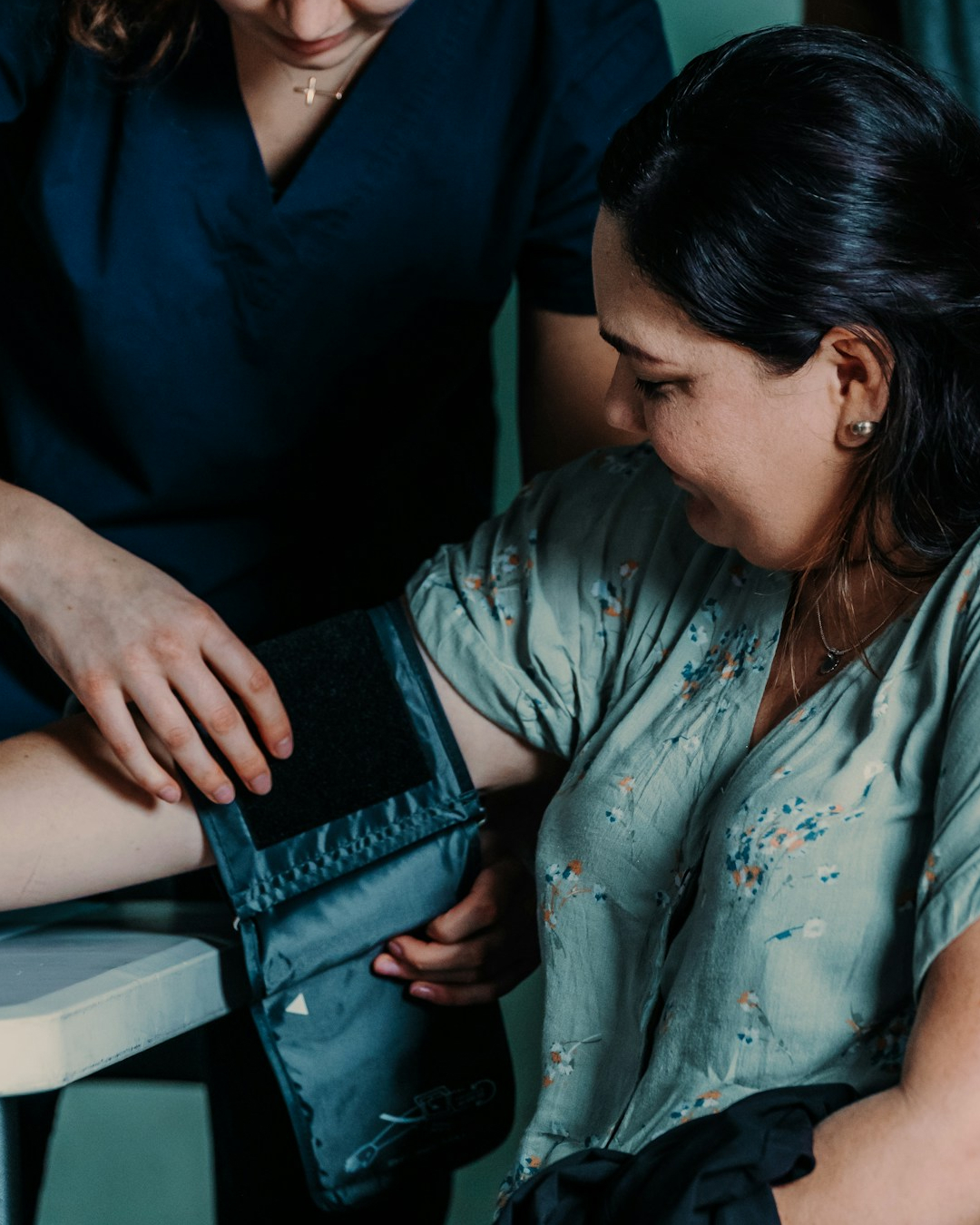
A structured preventive health program performed by a physician. It focuses on early detection, risk assessment, and building a personalized prevention plan—not just treating a single symptom.
A proactive, structured preventive health assessment
Establishing a baseline health profile and risk factors
Reviewing family history and long-term disease prevention
Medication and supplement review (safety, interactions, optimization)
Lifestyle optimization with medical guidance (nutrition, activity, sleep, prevention)
Adults who want a yearly or periodic comprehensive review (as appropriate)
One in-depth initial medical visit
Detailed review of personal and family medical history
Assessment of current medications and supplements
Preventive screening review based on age/risk factors (as clinically appropriate)
Requisitions for appropriate screening tests and bloodwork (as clinically appropriate)
Included phone follow-up appointment to review results
Personalized recommendations:
nutrition guidance
physical activity targets
sleep improvement
prevention plan and next steps
Gather family history (parents/siblings: heart disease, diabetes, cancer types/ages, stroke, etc.)
Bring a full list of medications/supplements and doses
Bring recent results (labs, imaging, vitals) if you have them
Track basics for 7–14 days if possible (optional but helpful):
blood pressure readings (if available)
sleep duration/quality
physical activity
Come with goals: what you want to improve in the next 3–12 months
Preventive testing is individualized; not every test is appropriate for every person
Screening tests can lead to follow-up investigations; the physician will recommend next steps based on results and risk
This service is not for urgent symptoms—urgent issues should be booked as Urgent Care or Medical Consultation (or emergency services if severe)
Telemedicine may be used for parts of the program (e.g., results follow-up), but the initial assessment may require in-person evaluation depending on your case
IMPORTANT, Our clinic is not intended for emergency use. If you are experiencing severe symptoms (for example: chest pain, difficulty breathing, severe bleeding, sudden weakness/numbness, loss of consciousness, or any symptoms you believe may be life-threatening), call 911 or go to the nearest emergency department immediately.
Telemedicine is Available Québec-wide!
Gatineau / Outaouais (Ottawa region)
Gaspésie–Îles‑de‑la‑Madeleine
Abitibi‑Témiscamingue (Rouyn‑Noranda, Val‑d’Or)
Trois‑Rivières / Mauricie
Greater Montréal (Montréal + Laval + Longueuil / South Shore–North Shore)
Follow-up care for individuals and families—chronic condition monitoring, pediatrics, results review, and prescription renewals when appropriate. In-person visits with telemedicine available for select concerns when clinically appropriate.